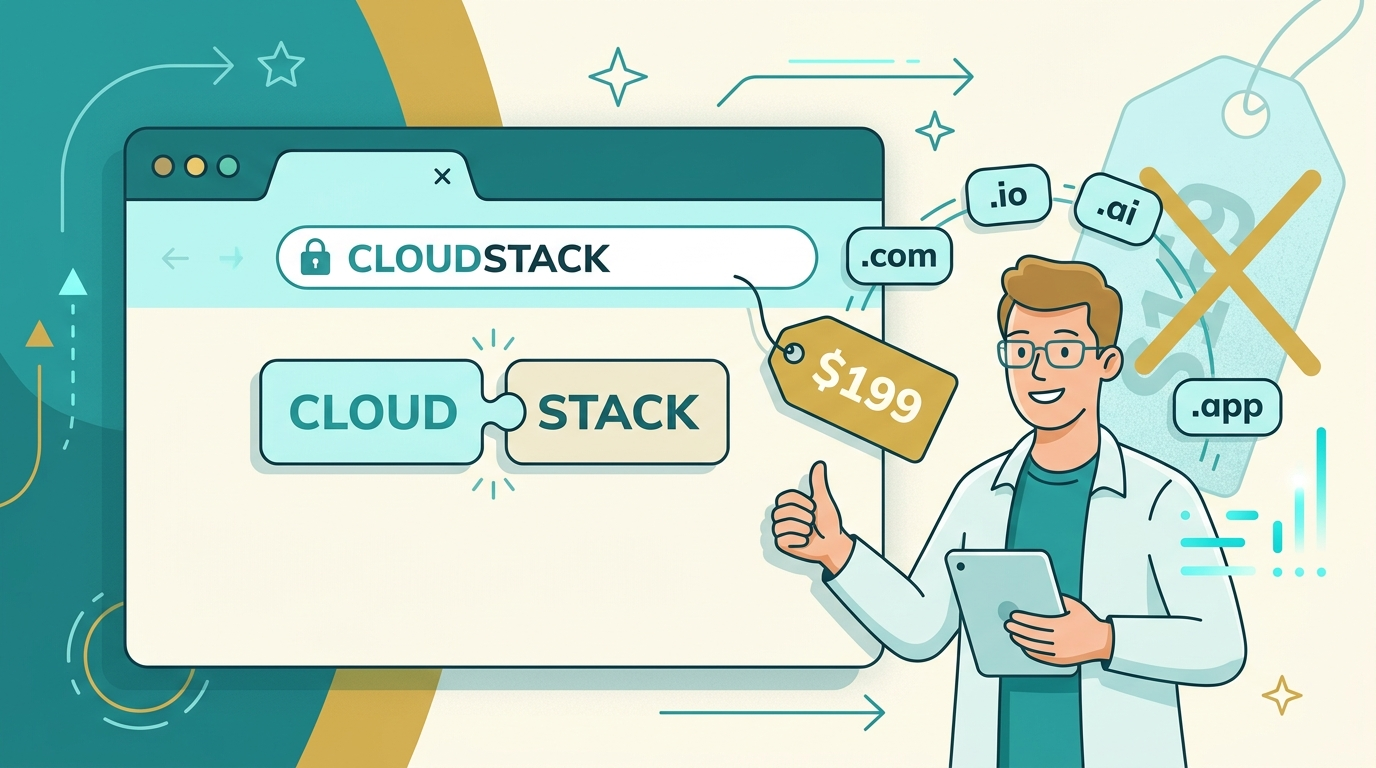
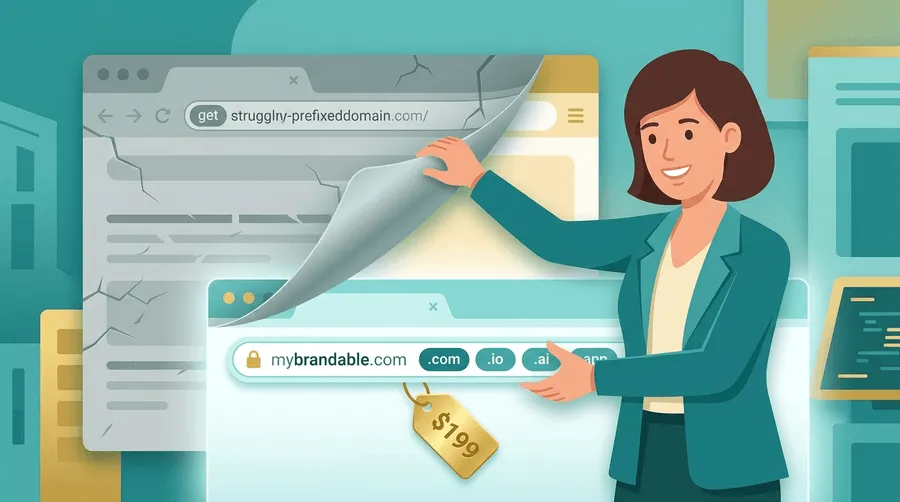
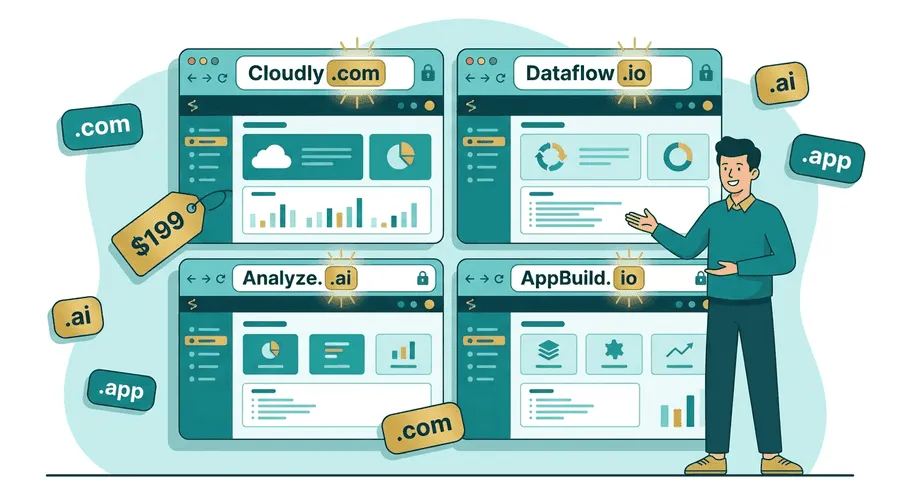
A brandable domain is the difference between a startup that sounds like a company and one that sounds like a search query. The most valuable brands of the last decade — Spotify, Klarna, Stripe, Twilio, Zapier, Notion — did not buy keyword domains. They built distinctive, coined, phonetically clean names that became categories unto themselves.
This is the complete guide to brandable domain names in 2026: what they are, why they outperform keyword domains for most modern companies, and which brandable domains are available right now for $199 or less on the 199.domains marketplace. Whether you are an app developer, an early-stage founder, a SaaS builder, or launching a fintech product, this page will help you find a name worth building a brand on.
What Makes a Domain Name "Brandable"?
A brandable domain is a name engineered to become a brand rather than describe a product. The strongest brandable domains share five traits:
- Short — typically 4–9 characters in the root, fitting comfortably in working memory and app store listings.
- Phonetically clean — easy to pronounce on the first try, with no spelling ambiguity when said aloud.
- Coined or abstract — an invented word (Zapier), a creative compound (Bundlefox), or a repurposed term (Stripe) rather than a literal description.
- Trademark-available — distinctive enough to register and defend as a mark.
- Emotionally resonant — the sound and rhythm evoke a feeling that matches the brand's positioning.
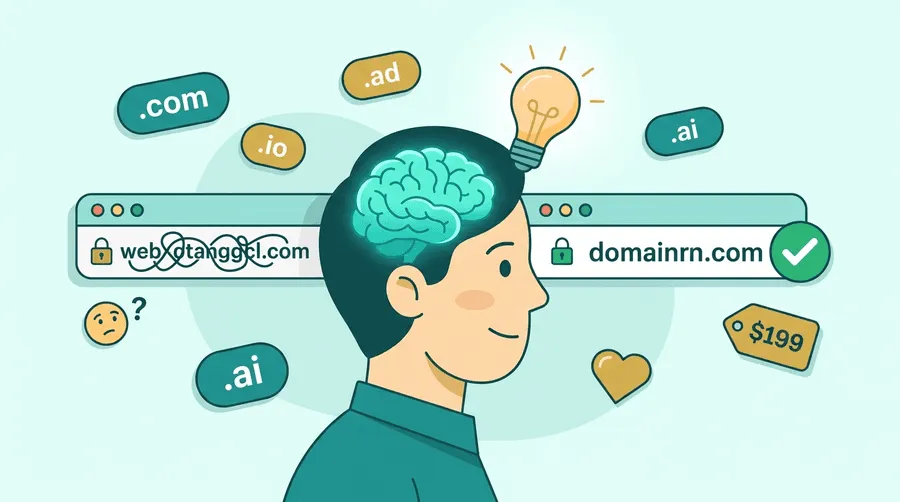
We break down the cognitive science behind why these traits matter — processing fluency, phonetic symbolism, and the chunking limit of working memory — in our deep dive on SaaS naming psychology. The short version: brains trust names they can process effortlessly, and brandable domains are engineered for exactly that.
The Naming Patterns Behind Great Brandable Domains
Brandable names are not random — the strongest ones cluster into a handful of repeatable patterns. Recognising them turns "I'll know it when I see it" into a checklist you can actually run:
- Invented / coined words — fully original strings with no dictionary meaning (Zapier, Twilio, Kodak). Maximum trademark strength and zero baggage; the trade-off is that you build all the meaning yourself. Catalog examples: senaps.com, cosov.com, kurpy.com.
- Repurposed real words — an existing word bent to a new context (Stripe, Notion, Apple). Instant familiarity plus a blank-slate meaning in your category. monacre.com reads premium; soundscape.co carries built-in atmosphere.
- Creative compounds — two clean morphemes fused into one ownable unit (Bundlefox, Mailchimp, Firebase). The most reliable pattern for indie founders because availability is high and meaning stays legible. Examples: bundlefox.com, filebase.app, slickpages.com.
- Suffix / modifier plays — a root plus a phonetic ending like -ly, -ify, -o (Calendly, Spotify). Examples: chikify.com, gossly.com, evasly.com, porcho.com.
- Short, punchy roots — four-to-six-character names that already hit like a logo (Peaq, Sacs). Examples: peaq.app, sacs.app, nard.app, epix.pro.
Which pattern you pick should follow your risk appetite: coined words defend hardest but cost the most to build; compounds are the pragmatic sweet spot. For the funded-startup data behind why short, one-or-two-word names dominate, see what 1,500+ funded startups teach us about domain choice, and for the single-word extreme of the spectrum, one-word domains for startups.
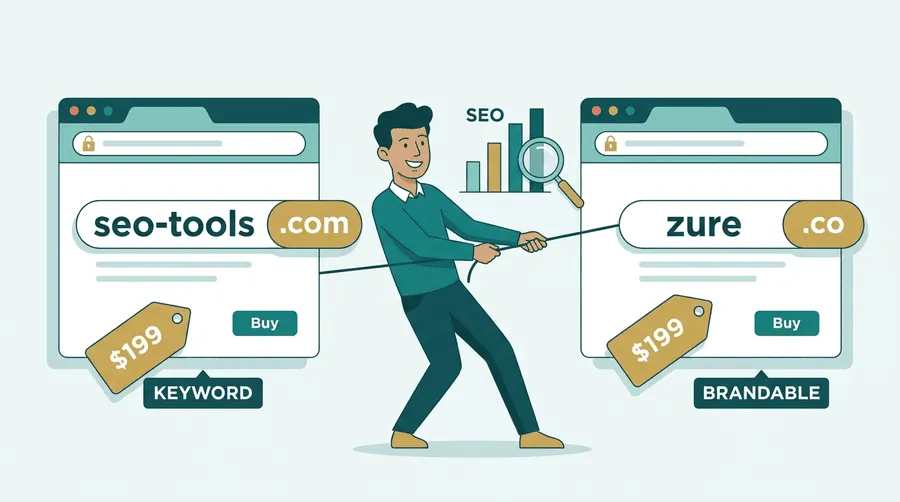
Brandable vs. Keyword Domains: Which Should You Choose?
Both have a place, and the right choice depends on your strategy:
| Factor | Brandable Domain | Keyword Domain |
|---|---|---|
| Example | bundlefox.com, veneus.com | cheapcarinsurance.com, bestcrmtools.com |
| Best for | Building a defensible brand | Capturing exact-match search intent |
| SEO profile | Branded search, type-in traffic, clean anchors | Literal keyword relevance (de-emphasized since 2012) |
| Trademark | Easy to register and defend | Hard to trademark generic terms |
| Memorability | High (distinctive) | Low (blends with competitors) |
| Resale value | High and rising | Niche-dependent |
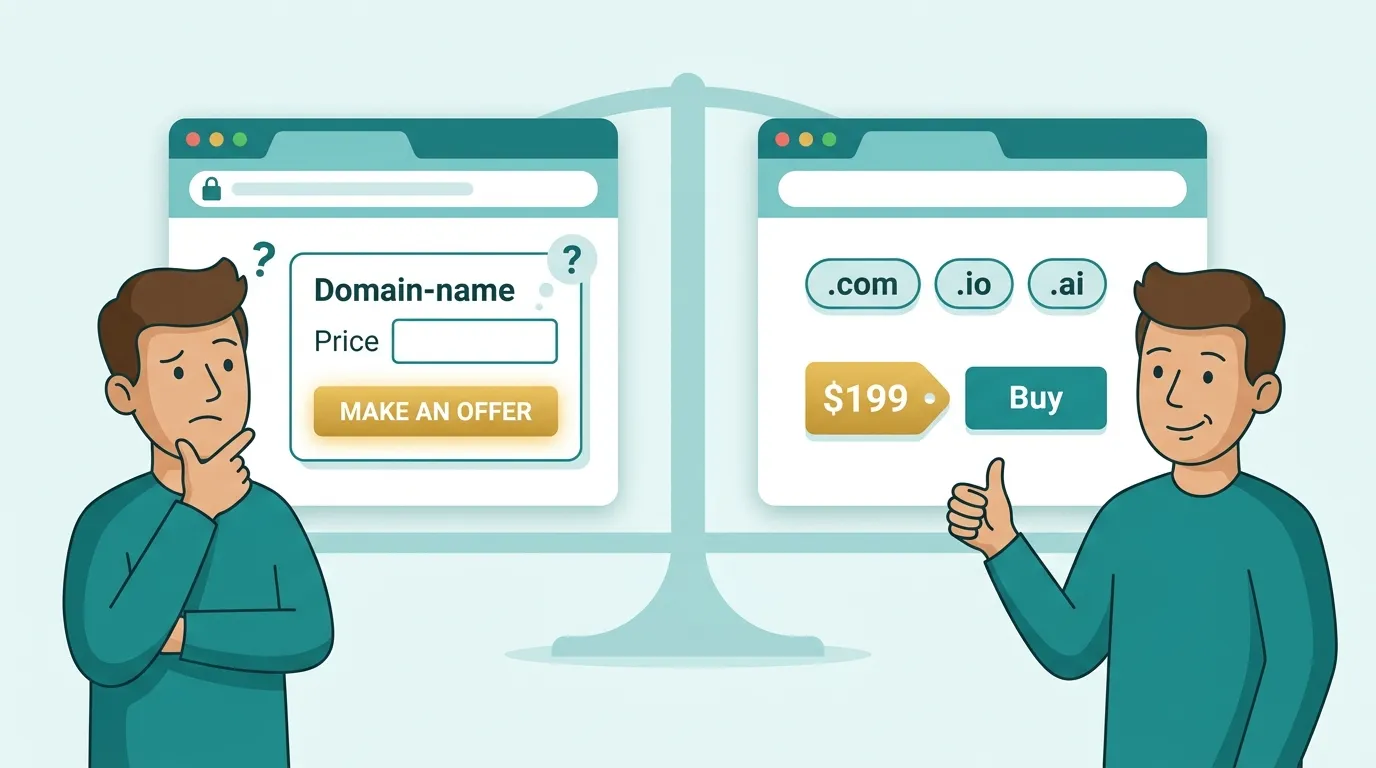
If you want the full argument for owning a single, ownable word, read our companion guide on one-word domains for startups. For most venture-backed and indie startups in 2026, a brandable domain is the stronger long-term asset — it is the difference between renting attention and owning a name.
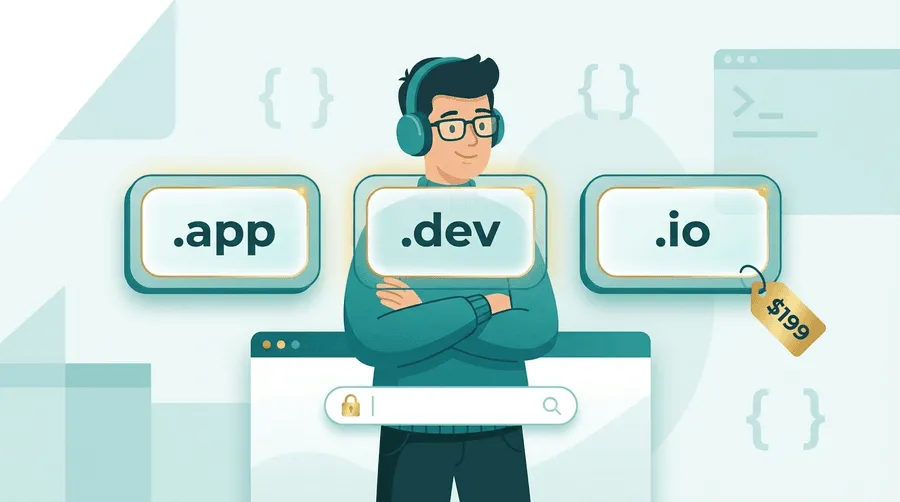
Brandable Domains for App Developers
App and developer-tool founders need names that survive three tests: the App Store listing, the voice referral ("just search for…"), and the terminal/CLI where short names win. Modern TLDs like .app, .dev, .io, and .co carry built-in technical credibility — and .app and .dev enforce HTTPS by default, a quiet trust signal.
These brandable developer domains are available now for $199 or less:
Why these work for developers: names like backslash.app and shippers.dev speak the language of the terminal, while veneus.com and soundscape.co read as polished, fundable platforms. Each is short enough to type from memory and distinctive enough to trademark. Explore the full set of developer and app domains on the marketplace.
Brandable Domains for Startups in 2026
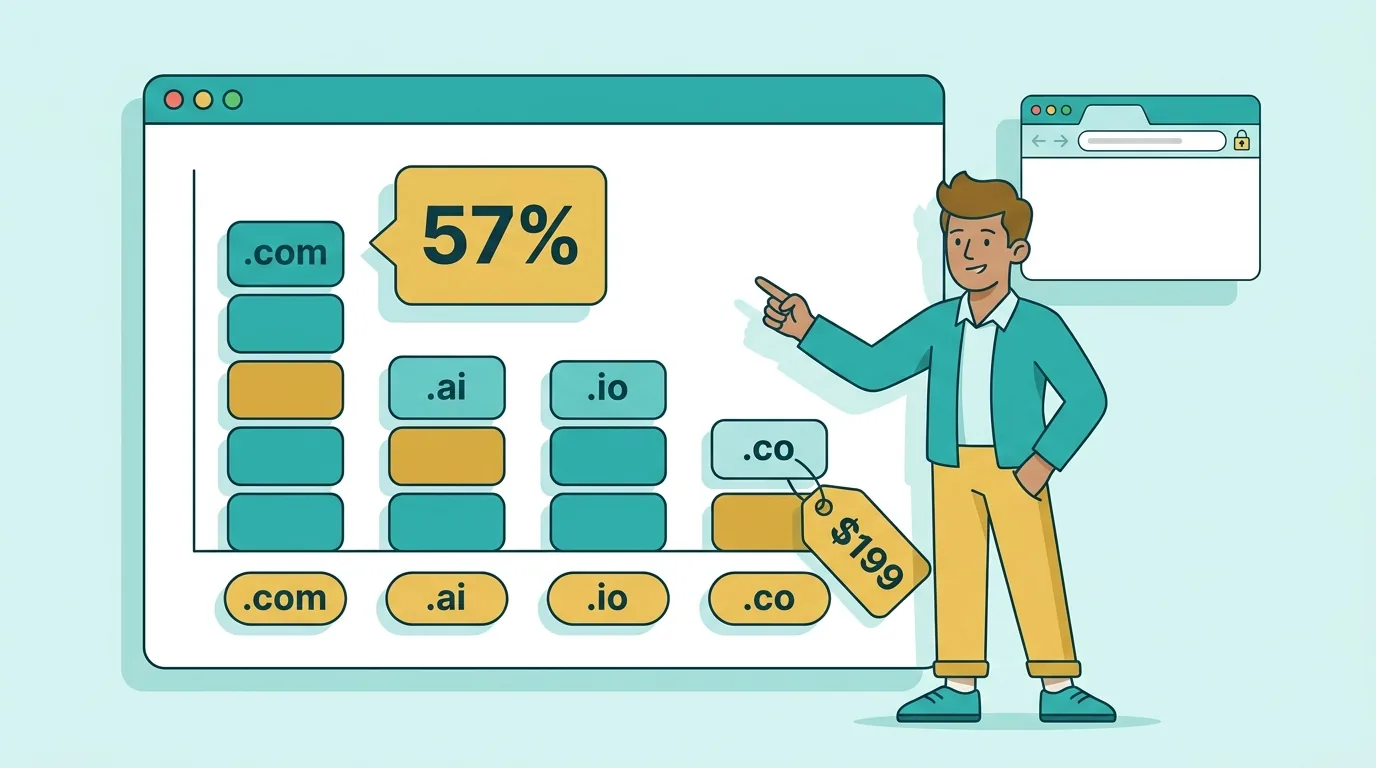
The startups raising in 2026 are not buying tryouracme.com — they are buying coined, ownable .com names that sound like real companies from day one. A brandable .com remains the gold standard for credibility with investors, talent, and customers, because when a user forgets your extension, their brain defaults to .com.
Here are curated brandable .com domains built for new startups, each $199 or less:
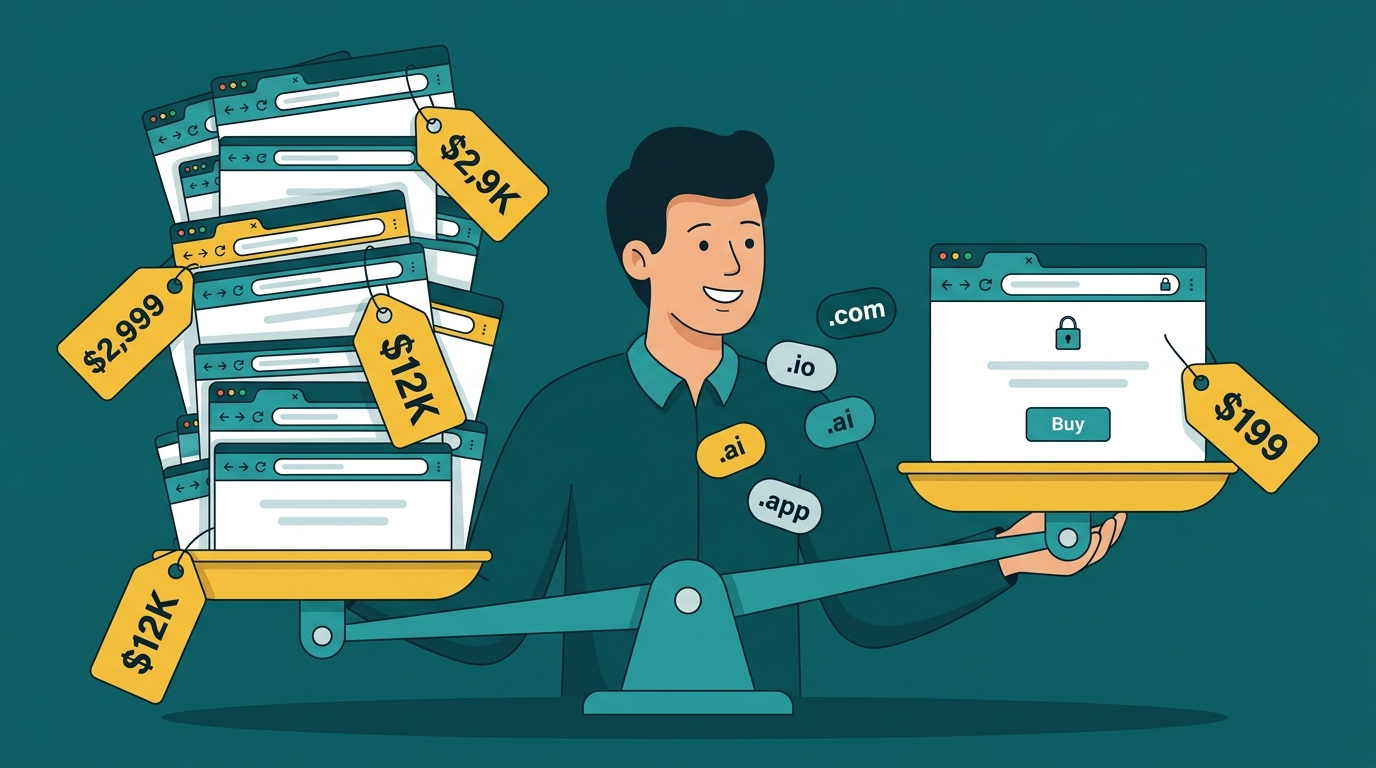
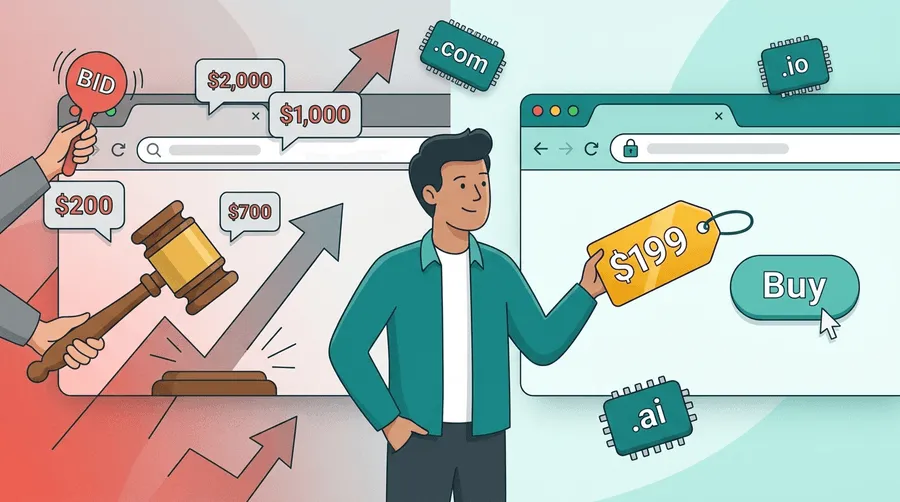
From the punchy and consumer-friendly (chikify.com, gossly.com) to the premium and abstract (monacre.com, senaps.com), every name here is coined, phonetically clean, and ready to anchor a brand. This is the same caliber of name that commission marketplaces price at $2,000–$10,000 — for $199 or less. See why our pricing works in fixed-price vs. auction domains.
Brandable Domains for SaaS & Web Products
SaaS and web-product brands benefit from names that hint at the value they deliver while staying brandable. The best SaaS domains pair a memorable root with an intuitive concept — think Mailchimp or Calendly. These brandable SaaS and web domains do exactly that:
Names like seovis.com and gotrep.com telegraph their category without being generic keyword strings, while logofairy.com and slickpages.com carry a friendly, product-led personality. Each is $199 or less — a fraction of what you would pay a broker for a comparable premium domain.
Brandable Domains for Fintech, Hiring & Capital
Trust is the currency of fintech, lending, and HR-tech brands — and a clean, confident brandable name is the first trust signal a user encounters. These brandable domains are built for finance, lending, hiring, and capital products:
handros.com and rentida.com project stability and strength for lending and finance products, bluecapitol.com reads as institutional and credible for capital and investment brands, and raisehire.com is a clean fit for recruiting and HR platforms. All $199 or less, all ready for instant transfer.
How Brandable Domains Perform in Search (and With AI) in 2026
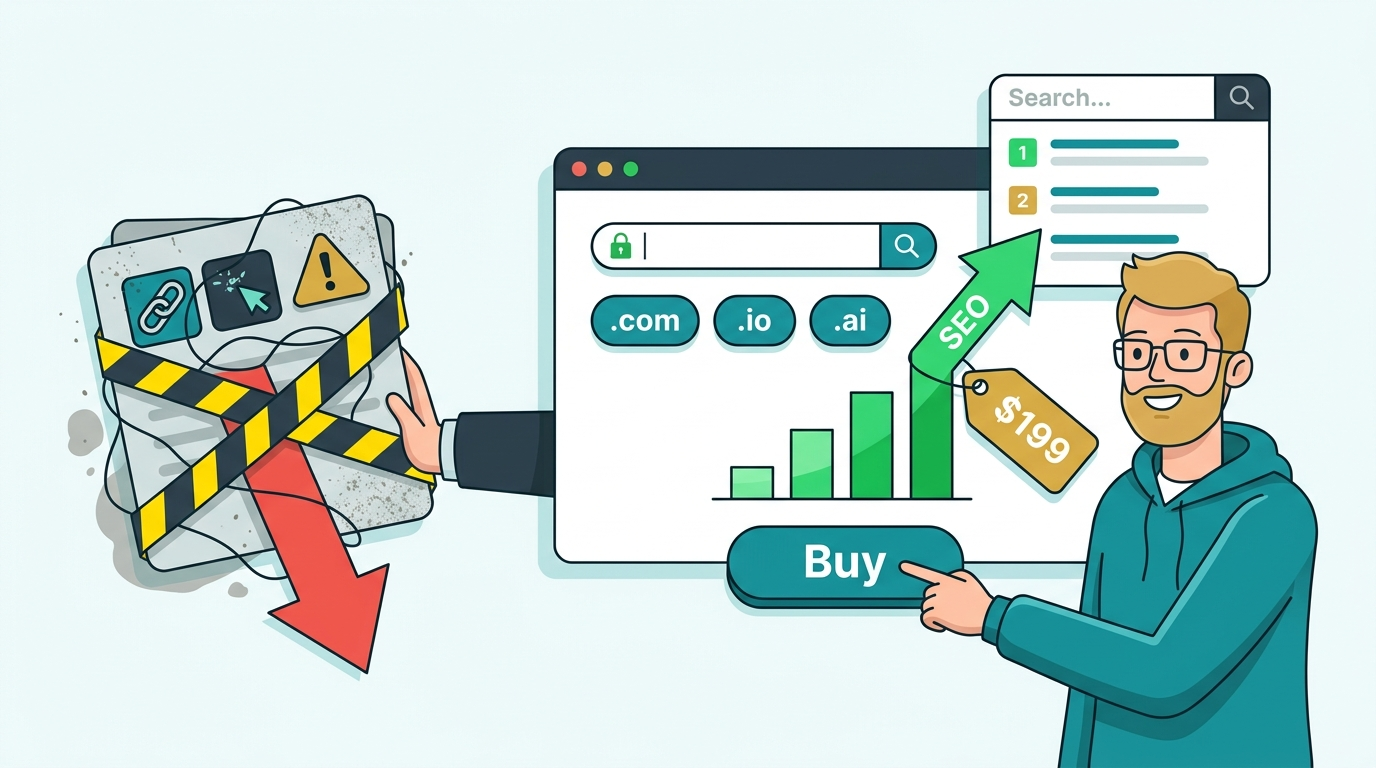
A common myth is that a brandable name is an SEO sacrifice — that you trade search visibility for memorability. In 2026 the opposite is closer to the truth. Here is how a brandable domain actually behaves in search:
- Branded search compounds. Once people know your name, they search it directly — and branded queries convert far better than generic ones. A distinctive, coined name is easy to search unambiguously; a generic keyword string competes with every rival using the same words.
- Cleaner anchors, higher CTR. Editorial links to a brandable domain use the brand as anchor text, which reads as natural and trustworthy to Google. In the results page, a real-looking brand earns more clicks than a spammy keyword string — a signal that itself feeds ranking.
- Exact-match domains lost their edge in 2012. Google's EMD update stripped the free ranking boost thin keyword domains once enjoyed, narrowing the historical gap between keyword and brandable names. We map out where each still wins in keyword domains vs. brandable domains for SEO.
- E-E-A-T rewards a real entity. Google's Helpful Content system and its AI-driven ranking increasingly resolve who is behind a site. A trademarkable brand is far easier to establish as a recognised entity — with a Knowledge Panel, consistent citations, and linked profiles — than a generic phrase nobody can own.
- AI answer engines favour named brands. As discovery shifts toward assistants and answer engines, being a nameable, citable brand ("try Notion", "use Stripe") matters more than owning a keyword string a model will never attribute to you.
The takeaway: for any company that intends to become a brand rather than rank a single thin page, a brandable domain is a search asset, not a search cost — it gives you the one thing a keyword string can't, an entity worth recognising. The cognitive half of that argument (why fluent names get recalled and trusted) is in our domain name psychology guide; the pattern half is in the best domain names for SaaS startups.
Why 199.domains Is the Best Brandable Domains Marketplace
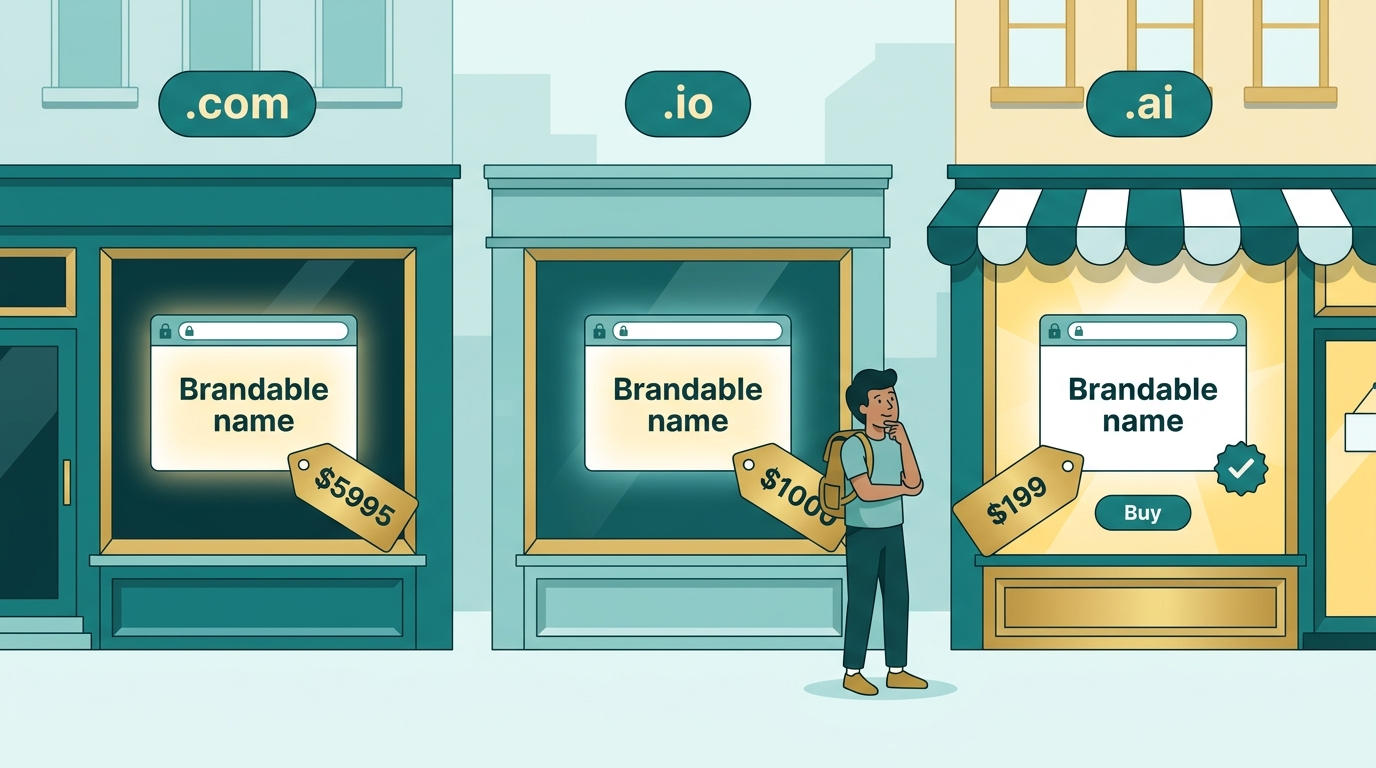
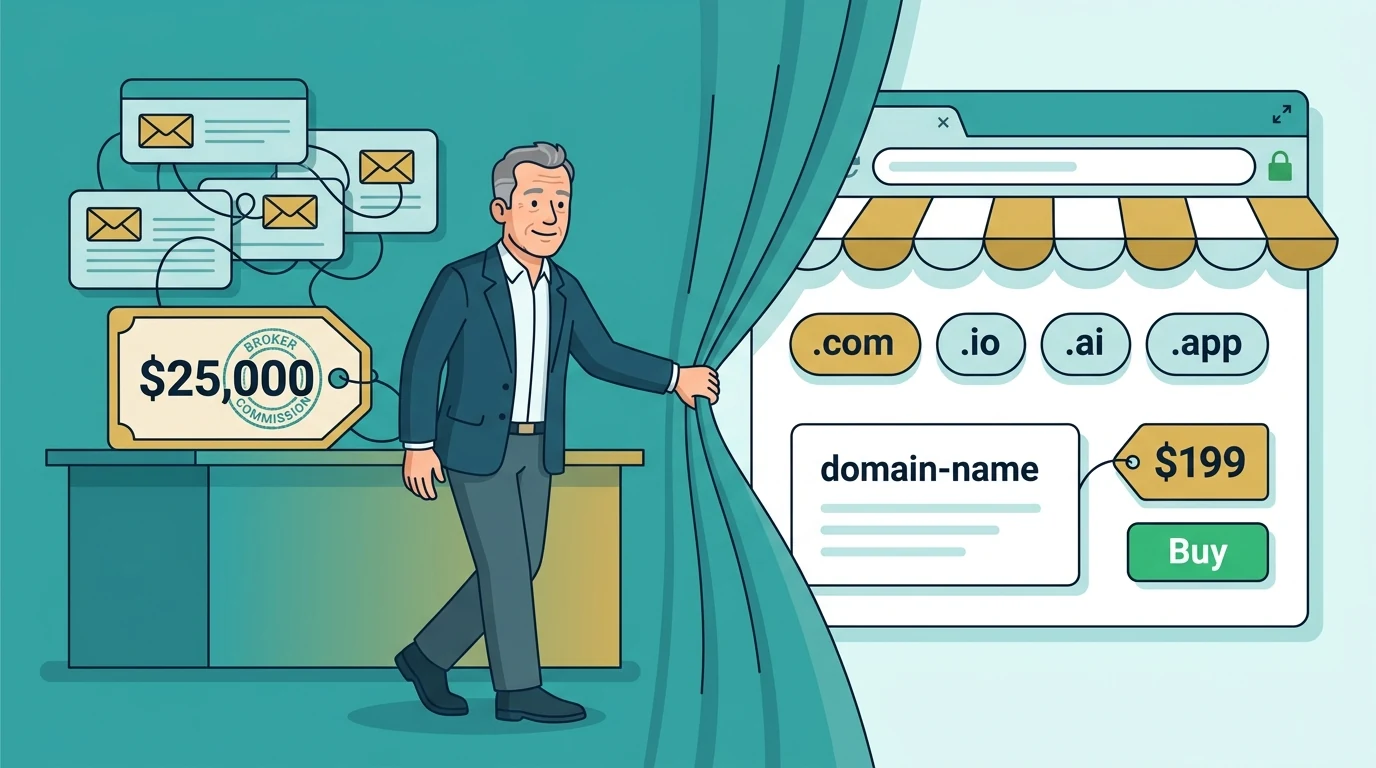
Most brandable domain marketplaces — BrandBucket, Squadhelp/Atom, Brandpa — operate on a commission model: curated names priced from $1,500 to $10,000+, with the platform's cut baked into every listing. The names are good. The pricing is punishing for a pre-revenue founder.
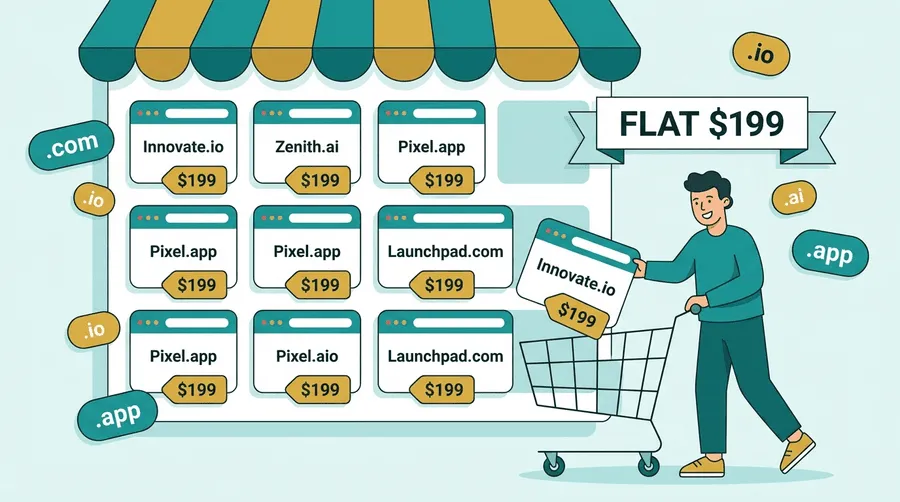
199.domains rebuilt the model around a single promise: every brandable domain is $199 or less — priced individually, with the exact price shown up front.
| Feature | Traditional Brandable Marketplaces | 199.domains |
|---|---|---|
| Pricing | $1,500–$10,000+ per name | $199 or less, every domain |
| Commission | 15–30% baked in | Zero |
| Negotiation | Offers, counteroffers, waiting | None — fixed price |
| Curation | Handpicked | Handpicked & trademark-screened |
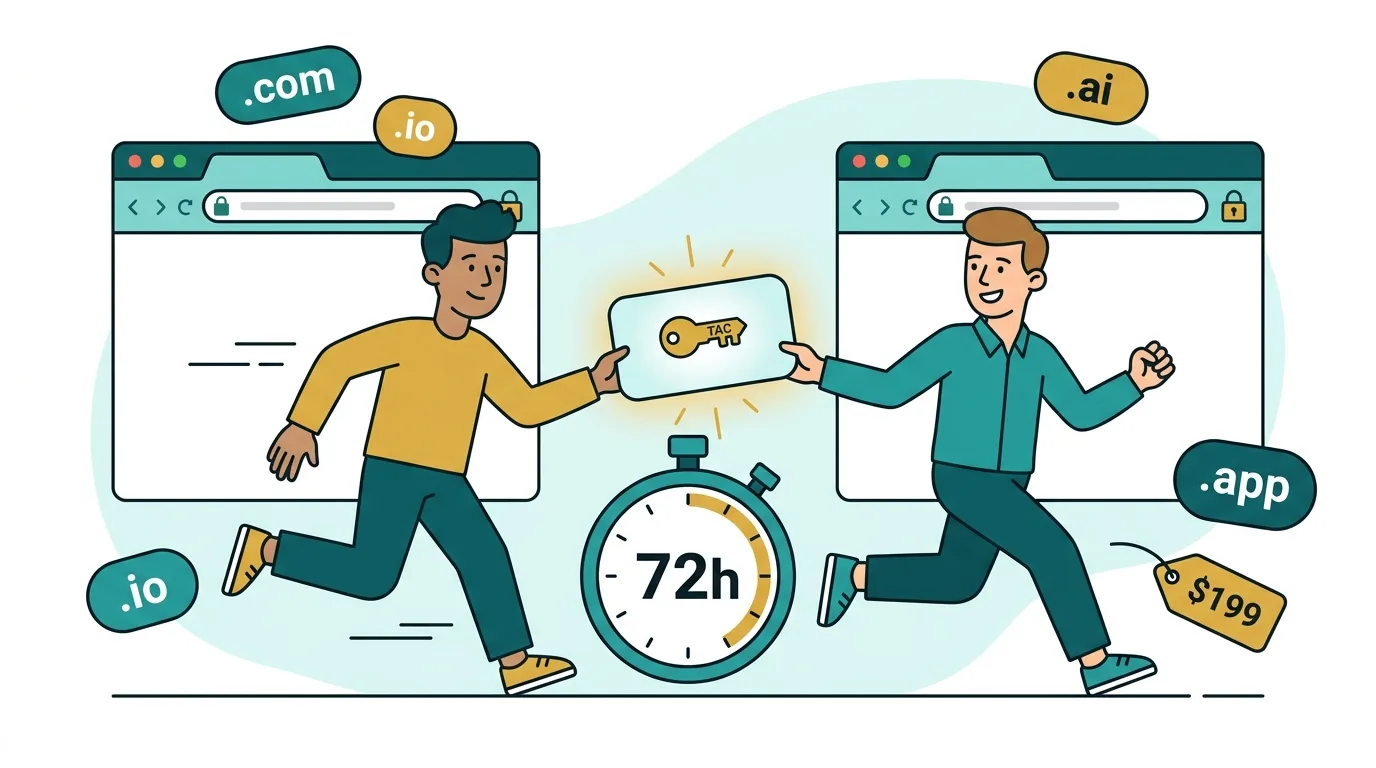
| Transfer | Days to weeks | Initiated under 72 hours |
| Guarantee | Varies | 100% refund if transfer fails |
Every name is vetted for clean history and trademark conflicts before it is listed, checkout runs through Stripe, and you assume registrar custody within 72 hours. Read the full story behind the model in Introducing 199.domains.
How to Choose Your Brandable Domain
Before you buy, run any brandable name through this five-point checklist:
- Say it out loud. If a friend can't spell it after hearing it once, keep looking.
- Check the trademark. Search the USPTO database for your exact term in your industry class.
- Test the TLD fit.
.comfor broad credibility;.app/.dev/.iofor developer and SaaS products;.coas a flexible modern alternative. - Picture the logo. Brandable names give designers room to build an identity; keyword strings don't.
- Move fast. Good brandable names are one-of-one — once it's gone, it's gone.
When you're ready, browse the complete catalog of brandable domains or jump straight to featured picks. If you're naming an app specifically, also check the newer Vibe category — coined, build-an-app names cut from the same cloth. Every name, $199 or less.